


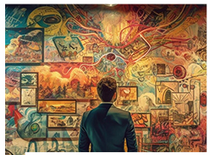
Art has always been a reflection of human thought, culture, and spiritual expression. From the earliest cave paintings to the sophisticated works we see today, art has evolved alongside civilization, capturing the stories, beliefs, and creativity of different societies across time.
In ancient times, art often served spiritual and cultural purposes. Paintings, sculptures, and symbols were created not only for beauty but also to communicate deeper meanings and traditions. In many cultures, artistic works were closely connected to religious practices, storytelling, and the preservation of knowledge. Tibetan thangka art is a remarkable example of this tradition, where each image carries precise symbolism and spiritual significance that has been carefully maintained for centuries.
As societies developed, artistic techniques and materials also advanced. Artists began experimenting with new forms, styles, and perspectives, giving rise to diverse artistic movements across different regions of the world. From classical paintings to modern artistic expressions, each period introduced new ways of seeing and interpreting the world.
In recent times, technology has become an important part of the evolution of art. Digital tools and modern printing techniques have created new opportunities for preserving and sharing artworks. Through high-resolution digital archiving and advanced printing methods, artworks can now be reproduced with remarkable clarity and detail, allowing them to reach audiences far beyond their original locations.
At DAAP Center, this connection between tradition and modern technology plays a vital role. By digitally preserving and producing high-quality canvas prints of traditional and contemporary artworks, including Tibetan thangkas, we help make these artistic treasures more accessible to people around the world.
The evolution of art continues today as artists and technology work together to shape new possibilities. While styles and methods may change over time, the purpose of art remains the same—to inspire, to communicate, and to connect people across cultures and generations.
Through appreciation, preservation, and innovation, the journey of art continues to unfold, carrying the creativity and heritage of humanity into the future.